
Export Orders Return to UK Manufacturing
UK manufacturing has recorded its first sustained rise in new export orders in several years, a signal many firms have been waiting for. After a prolonged period of subdued global demand, overseas customers are once again placing orders with British manufacturers, drawn by competitive pricing, specialist capability and renewed confidence in UK supply chains.
But while export growth is welcome, it comes with a sharper edge. International customers bring higher expectations, tighter specifications and far less tolerance for variation. For many manufacturers, the question is no longer whether they can win export work — but whether their components are genuinely export-ready.
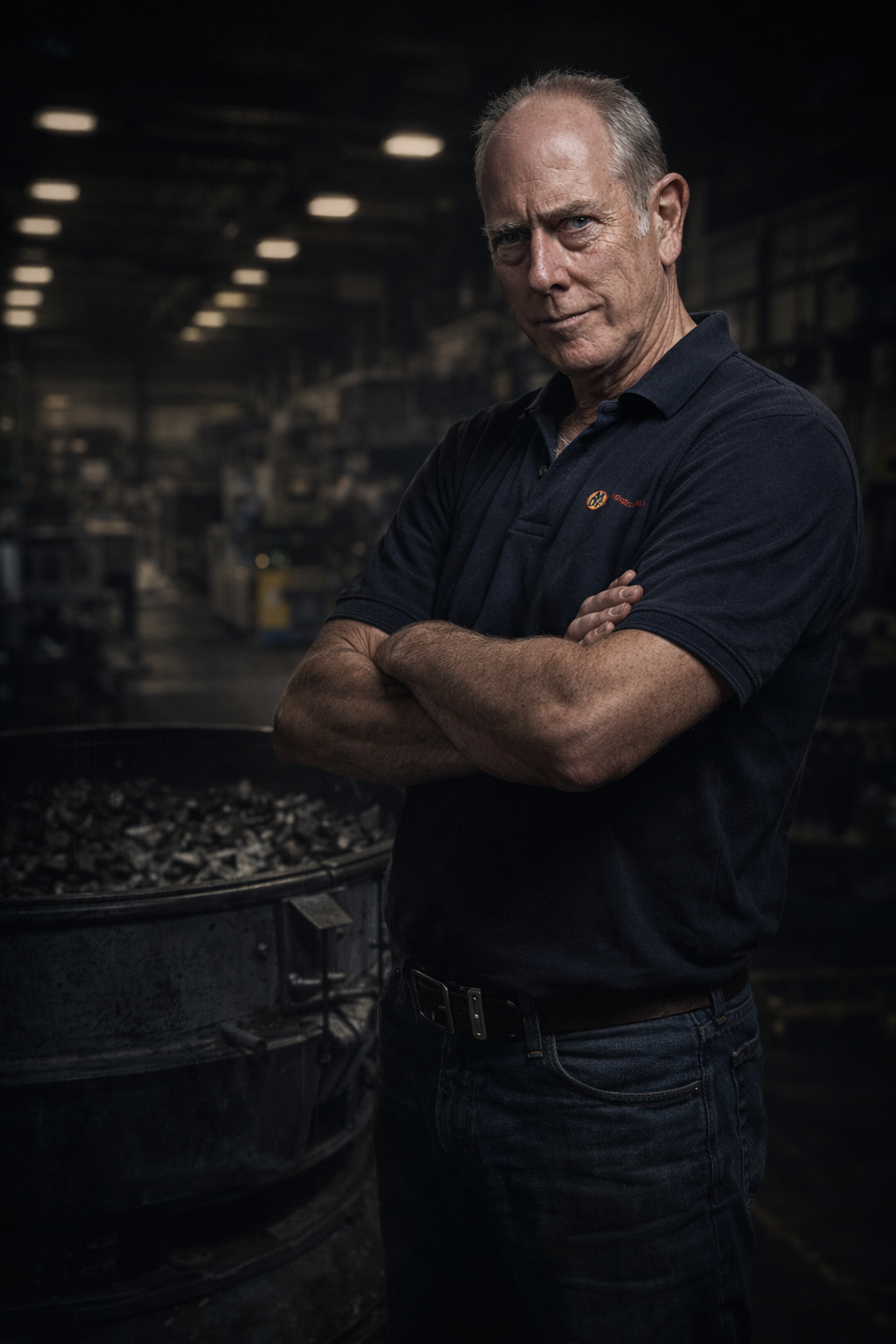
“In export markets, there’s nowhere to hide,” says Chris Arrowsmith, Managing Director of Midland Deburr & Finish. “Domestic customers may work with you to resolve an issue. Overseas customers often won’t. If a component arrives with burrs, contamination or inconsistent finish, it can be rejected outright.”
For many manufacturers, the risk lies in processes that are often treated as secondary — metal deburring, component cleaning and degreasing. These are rarely the headline operations in a factory, but they are frequently the first things an export customer will notice.
“In aerospace and automotive supply chains especially, cleanliness and edge condition aren’t cosmetic issues — they’re functional and regulatory,” Arrowsmith explains. “A microscopic burr or trace contamination can be enough to fail an inspection or delay a programme.”
Midland Deburr works with manufacturers across aerospace, automotive and general engineering to ensure components meet export-grade standards before they leave the UK. Services such as metal deburring, aerospace component degreasing, automotive component degreasing and precision component cleaning are increasingly being viewed as quality gateways rather than finishing touches.
Export customers often apply international standards more strictly than domestic buyers, particularly where parts are integrated into safety-critical assemblies. In these environments, inconsistent deburring or inadequate degreasing doesn’t just affect appearance — it compromises fit, performance and traceability.
“We see a lot of parts that are technically well made, but not commercially finished,” says Arrowsmith. “From the manufacturer’s point of view, the part is ‘done’. From the customer’s point of view, it isn’t usable.”
Stamping and pressed components are particularly exposed. Burrs created during metal stamping can interfere with downstream assembly, while residual oils and particulates can undermine coatings, bonding or welding processes further along the supply chain. As export volumes increase, so does the cost of getting this wrong.
“Export growth magnifies process weaknesses,” Arrowsmith adds. “If you’re sending one pallet a month, you might manage the risk. If you’re shipping weekly into Europe, North America or Asia, repeatability becomes non-negotiable.”
With export momentum returning, many UK manufacturers are reassessing whether to keep finishing processes in-house or partner with specialists who can deliver consistent results at scale. Outsourcing deburring and degreasing is increasingly seen not as a loss of control, but as a way to protect customer relationships and safeguard margins.
“Winning export work is hard,” says Arrowsmith. “Keeping it is harder. The manufacturers who succeed will be the ones who treat finishing and cleaning as part of their value proposition — not an afterthought.”
As UK manufacturing looks outward once again, export readiness may prove to be the real differentiator between firms that merely take orders and those that build lasting international partnerships.
Quick Contact Form