
Manufacturing Skills Shortages Accelerate Move Towards Automated Deburring
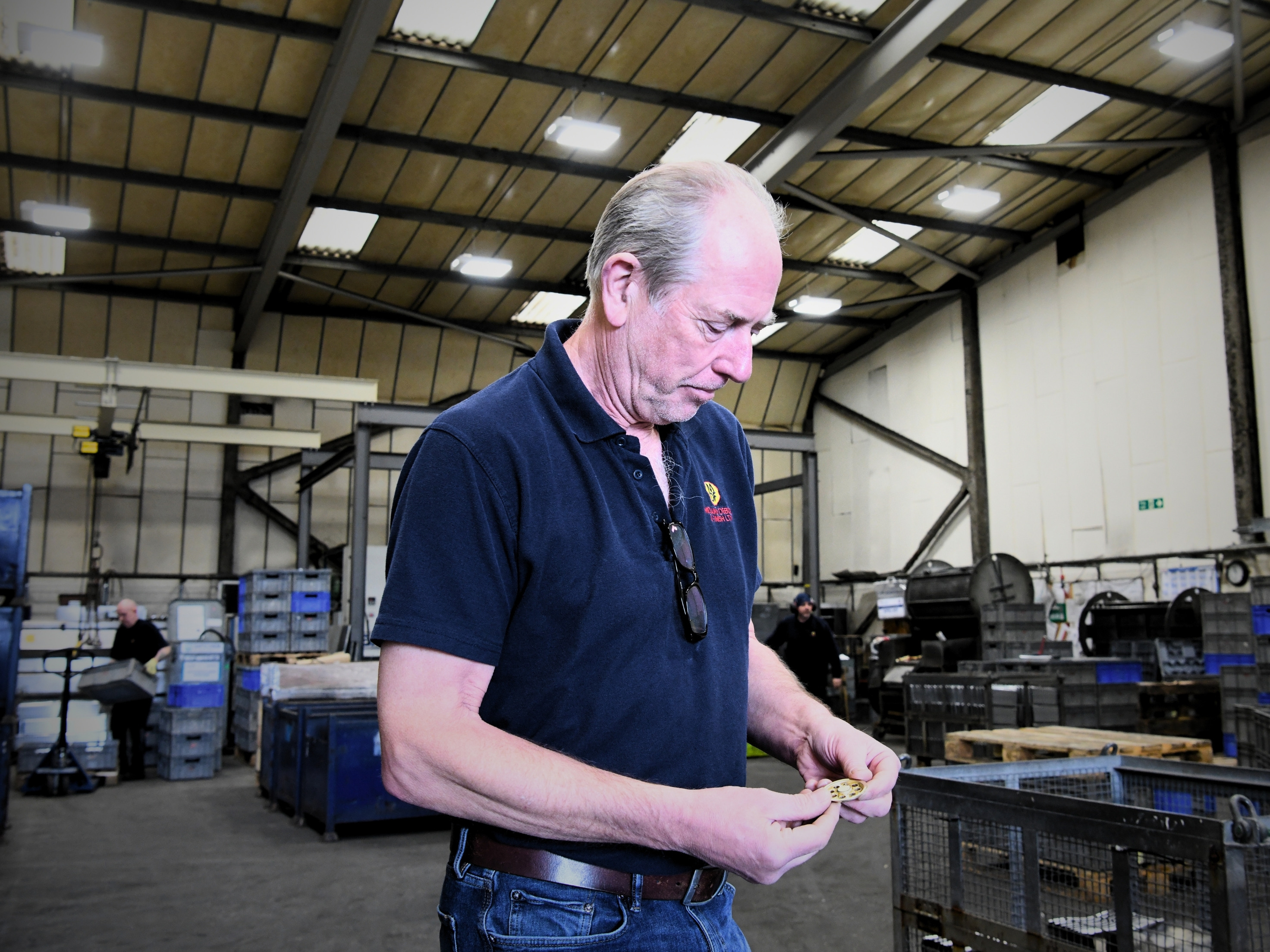
The ongoing shortage of skilled labour across UK manufacturing is forcing businesses to rethink how they manage labour-intensive production processes, with many turning to automation to improve efficiency and reduce operational pressure.
While discussions around automation often focus on robotics and advanced manufacturing technologies, Midland Deburr & Finish believes one of the biggest opportunities lies in addressing the hidden challenge of manual finishing operations.
According to managing director Chris Arrowsmith, deburring remains one of the most labour-intensive activities in many machine shops despite its critical role in delivering quality finished components.
“Most manufacturers understand the importance of deburring, but many still rely heavily on manual processes,” he said. “The problem is that manual deburring requires skilled operators, takes time and can introduce inconsistencies between batches.
“At a time when many businesses are struggling to recruit and retain skilled people, manufacturers are looking for ways to reduce dependence on repetitive manual operations.”
Across sectors including aerospace, automotive, medical and precision engineering, manufacturers face increasing pressure to improve productivity while maintaining quality standards.
For many businesses, vibratory deburring provides a practical solution.
By automating the removal of burrs and edge defects, vibratory finishing systems can process large quantities of components simultaneously, delivering consistent results while reducing labour requirements.
Arrowsmith believes the productivity benefits extend far beyond simple cost savings.
“Automation is about allowing skilled employees to focus on higher-value activities where their expertise can make the biggest difference.
“If you can eliminate hours of repetitive hand-finishing, you create capacity elsewhere in the business and improve overall productivity.”
The consistency achieved through automated finishing is another significant advantage.
Manual deburring often depends on individual operator technique, creating the potential for variation between parts. Automated processes help deliver repeatable results while reducing the risk of over-grinding or dimensional damage.
Alongside vibratory finishing, complementary cleaning technologies such as solvent degreasing and vapour degreasing can further streamline production workflows by preparing components for inspection, coating or assembly.
As manufacturers continue to seek productivity improvements, Arrowsmith expects finishing automation to become increasingly common.
“Businesses are under constant pressure to do more with fewer resources,” he said. “The companies that embrace process improvement and automation throughout the manufacturing cycle will be better positioned to remain competitive.
“Deburring can have a significant impact on efficiency, quality and workforce utilisation.”
As the skills challenge continues to affect manufacturers nationwide, automated finishing processes are becoming an increasingly valuable tool in the pursuit of sustainable productivity gains.
Quick Contact Form