
Family Manufacturers Are Custodians of Britain’s Industrial Know-How, Says Midland Deburr
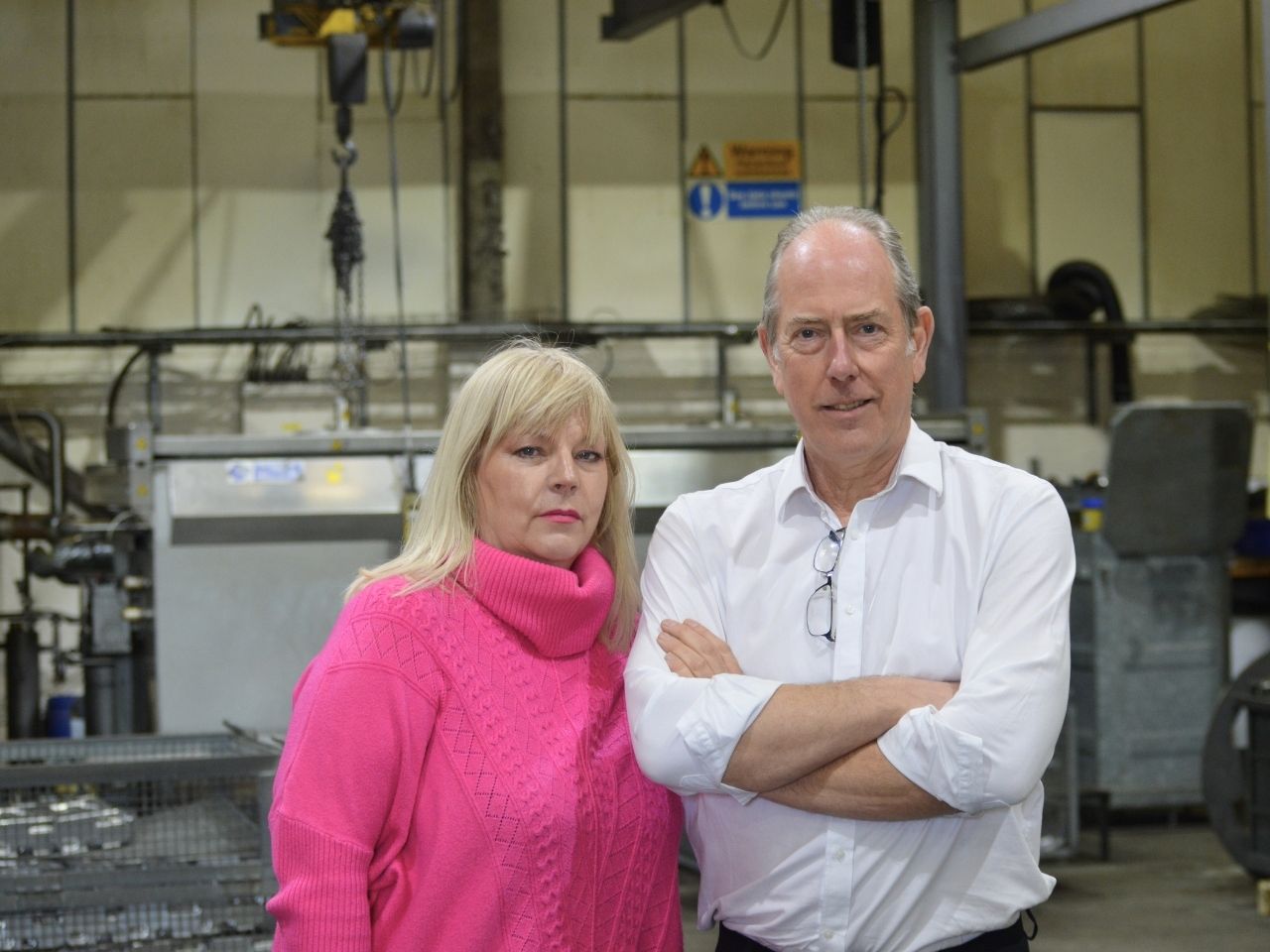
Midland Deburr & Finish says family-owned manufacturers play a vital role in retaining the skills, specialist processes and long-term relationships that underpin UK manufacturing, as new research highlights their £94bn contribution to the economy.
Family-owned manufacturers should be viewed as custodians of Britain’s industrial capability as the UK pursues a new era of reindustrialisation, according to Black Country surface finishing specialist Midland Deburr & Finish.
The comments follow new research from Make UK and Bishop Fleming showing that family-owned companies account for 65% of UK manufacturing businesses, contribute an estimated £94bn to the economy and support around one million jobs.
For Midland Deburr & Finish, the figures illustrate the scale of a business model that has helped preserve specialist manufacturing knowledge across generations.
Based in Lye in the West Midlands, the family-run company provides specialist deburring, vibratory deburring, solvent degreasing and vapour degreasing services to manufacturers producing presswork, pressings, castings and precision-engineered components.
Managing Director Chris Arrowsmith believes family ownership encourages businesses to take a long-term view of customers, people and manufacturing capability.
“Family manufacturing businesses tend to think in decades rather than quarters,” said Arrowsmith. “You build relationships with customers, invest in processes and equipment, develop people and keep improving the service because you expect the business to be here supporting British industry for the next generation.”
Keeping Specialist Manufacturing Knowledge in Britain
The Make UK and Bishop Fleming report places particular emphasis on the role family manufacturers play in maintaining industrial know-how. That argument resonates strongly within the specialist finishing sector.
Producing a component is only one stage of the manufacturing process. Pressings, presswork and castings frequently require further processing before they are ready for assembly, coating, plating, inspection or delivery to an OEM.
Processes such as vibratory deburring can remove burrs and sharp edges while improving component consistency and surface condition across production batches. Solvent degreasing and vapour degreasing provide manufacturers with specialist routes for removing oils, greases and manufacturing residues from components where cleanliness is integral to the next production stage.
Midland Deburr Director Sue Arrowsmith said the strength of family businesses also comes from the accumulation and transfer of practical knowledge.
“There is an enormous amount of knowledge inside British family manufacturing businesses that rarely appears on a balance sheet,” she said. “It comes from understanding materials, components, customers and processes and from knowing how to achieve a consistent result day after day.”
“That experience is particularly important in specialist operations such as deburring and degreasing. Our customers have invested considerable time, material and machining or presswork into a component before it reaches us. Our role is to add value to that component and help prepare it for the next stage of manufacture.”
Deburring and Degreasing Support the Wider Supply Chain
This position in the manufacturing chain means specialist companies such as Midland Deburr support a far wider industrial ecosystem.
A batch of metal pressings or castings can pass through numerous UK businesses before becoming part of a finished product. Toolmakers, pressworkers, foundries, machinists, heat treatment companies, platers, surface finishing specialists and assembly businesses can all contribute specialist expertise.
Maintaining this network domestically creates a manufacturing supply chain capable of responding quickly to customer requirements while retaining technical knowledge within UK industry.
Chris Arrowsmith added:
“When people talk about UK manufacturing capability, it is important to look at the complete supply chain. A manufacturer may produce an excellent pressing or casting, but that component can still require deburring, cleaning, degreasing, finishing and inspection before it is ready for its final application.”
“Britain has built a remarkable network of specialist businesses around those processes. Protecting that network gives larger manufacturers access to skills and capacity close to home and strengthens the competitiveness of the whole supply chain.”
Family Businesses Invest Across Generations
The report also finds that 63% of manufacturers are planning moderate to significant investment in training, reinforcing the relationship between long-term ownership and skills development.
For Midland Deburr, investment encompasses equipment and processes alongside the experience required to operate them effectively.
Vibratory deburring requires an understanding of media, compounds, component geometry, material and cycle times. Likewise, solvent degreasing and vapour degreasing depend upon controlled processes capable of delivering repeatable component cleanliness.
That combination of equipment, experience and practical manufacturing knowledge is particularly valuable to companies outsourcing secondary operations on pressings, castings, machined parts and other engineered components.
Sue Arrowsmith said:
“A family business carries knowledge forward. People learn from colleagues who have spent years understanding a process, and that experience is then combined with new technology, new customer requirements and new ways of working.”
“That continuity matters because manufacturing is ultimately about delivering confidence. Customers want to know that when they send components for vibratory deburring or degreasing, they will receive a consistent service that supports their own production programme.”
A Foundation for UK Reindustrialisation
The Make UK research arrives as policymakers place renewed emphasis on reindustrialisation, domestic supply chains and the UK's ability to manufacture more of the products required by strategic industries.
Midland Deburr believes family-owned SMEs have a central role to play in that ambition.
From presswork and metal pressings to castings, precision machining, deburring, vibratory finishing, solvent degreasing and vapour degreasing, much of Britain's manufacturing strength sits within interconnected specialist businesses whose capabilities have been developed over many years.
Chris Arrowsmith concluded:
“Reindustrialisation starts with recognising the capability Britain already has. Across the Midlands and throughout the UK there are family manufacturers employing skilled people, investing in equipment and supporting customers every day.”
“Give those businesses the environment and confidence to invest for another generation and they will continue doing what family manufacturers have always done: develop skills, solve production challenges, support customers and keep valuable manufacturing capability here in Britain.”
For Midland Deburr & Finish, the £94bn contribution identified by the latest research represents more than an economic statistic. It reflects thousands of businesses carrying specialist manufacturing knowledge forward from one generation to the next — and a substantial foundation on which Britain can build its future industrial growth.
Quick Contact Form