
Why UK Manufacturing Should Be Optimistic in 2026 – And What It Means for Component Finishing
While much of the conversation around UK manufacturing continues to focus on rising costs, supply chain pressures and skills shortages, many businesses working within the industrial supply chain are seeing a more balanced picture emerging in 2026.
Across the country, manufacturers are quietly improving productivity, investing in practical technologies and strengthening operational processes. The UK now ranks 11th globally for manufacturing output, generating more than £260bn annually, a reminder that the sector remains a critical pillar of the national economy.
For companies operating deeper within the supply chain — particularly those supporting high-volume precision components — this renewed momentum is creating steady demand for specialist finishing services such as automotive component deburring, presswork deburr (and degrease) processes and advanced metal degreasing.
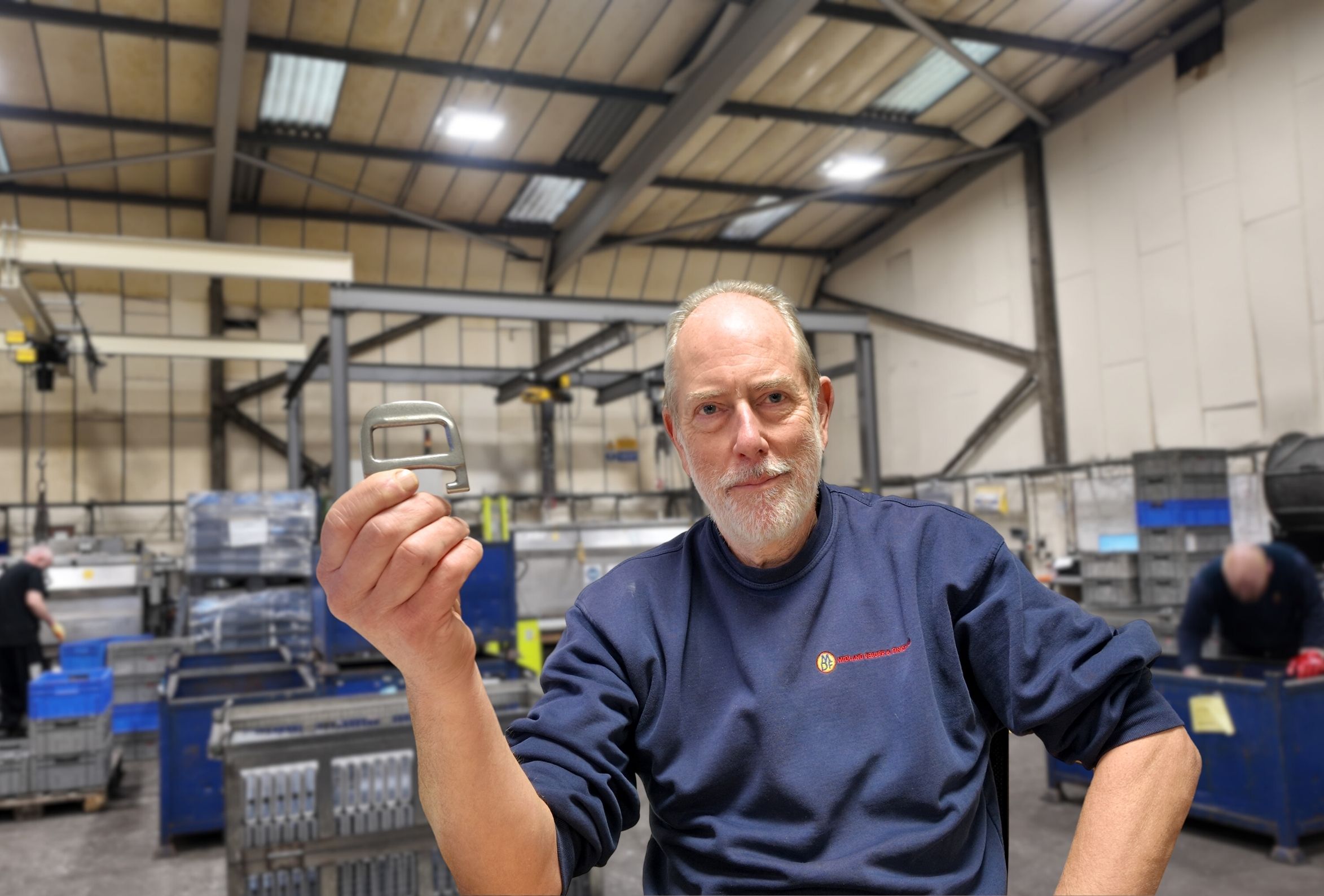
At Midland Deburr & Finish, Managing Director Chris Arrowsmith believes the sector’s resilience is often underestimated.
“Manufacturing is often portrayed as being under constant pressure, but what we actually see from our customers is continued investment and steady demand,” he said. “British manufacturers are extremely good at adapting, improving processes and finding practical ways to increase efficiency. That’s why there are strong reasons to be optimistic about the sector’s outlook.”
Much of the progress happening within UK manufacturing is not driven by headline-grabbing transformation projects, but by incremental operational improvements.
From smarter production planning to improved data visibility through modern ERP systems, manufacturers are increasingly focusing on practical changes that deliver measurable gains on the shop floor.
For component manufacturers, this often translates into improvements in finishing processes that ensure parts move through supply chains quickly and reliably.
Services such as vibro deburring, barrel deburring, and integrated component degreasing are increasingly essential in maintaining production efficiency across automotive and industrial sectors.
Arrowsmith explains that finishing processes often play a critical role in keeping production flowing.
“Deburring and degreasing are rarely the most visible parts of a manufacturing process, but they are absolutely essential to quality and throughput,” he said.
“When customers are producing high-volume pressings or precision components, they need reliable automotive presswork deburr (and degrease) services that integrate seamlessly into their supply chain.”
One of the areas generating renewed optimism across the UK industrial landscape is the continued development of automotive and electrification supply chains.
As the industry evolves towards electrified platforms, demand for precision metal pressings and machined components remains strong. These components often require specialist finishing processes to remove burrs and ensure surfaces are clean before assembly.
At Midland Deburr, this demand is reflected in the growing requirement for combined presswork deburr (and degrease) processes, where parts undergo mechanical finishing followed by high-precision vapour degreasing or solvent degreasing.
“The automotive supply chain continues to be a significant driver of demand,” Arrowsmith said.
“Whether it’s components for conventional drivetrains or parts used in EV systems, manufacturers still rely on consistent component deburring and metal degreasing to ensure parts meet quality requirements before moving further down the line.”
Industry commentators increasingly highlight the role of practical digital technologies in improving manufacturing performance.
Modern ERP systems, workflow automation and AI-assisted analytics are enabling manufacturers to better understand production performance, reduce bottlenecks and improve forecasting accuracy.
While large manufacturers have been adopting such technologies for years, SMEs are increasingly embracing digital tools as well — particularly when solutions are designed around real manufacturing processes.
For supply chain partners such as Midland Deburr, these changes translate into more predictable production schedules and improved collaboration with customers.
“Better operational visibility across manufacturing businesses ultimately benefits the entire supply chain,” Arrowsmith added.
“When manufacturers have clearer production data and planning systems in place, it helps everyone coordinate more efficiently — from machining and presswork through to finishing processes like vibro deburring, barrel deburring and component degreasing.”
While skills shortages remain a concern across many areas of manufacturing, the way companies develop workforce capability is also evolving.
Increasingly, knowledge is being embedded into digital systems, process documentation and standardised workflows. This approach allows new employees to develop skills more quickly while preserving operational knowledge.
In finishing processes, where precision and consistency are critical, this combination of practical training and process control is particularly valuable.
“Manufacturing businesses have always been very good at developing skills internally,” Arrowsmith said.
“What we’re seeing now is that companies are combining that traditional expertise with improved systems and data visibility. That helps stabilise operations while also preparing the next generation of engineers and technicians.”
While economic uncertainty and geopolitical pressures will continue to influence the global manufacturing landscape, the fundamentals of the UK sector remain strong.
From advanced aerospace engineering to high-volume automotive production and specialist subcontract manufacturing, British industry continues to demonstrate deep technical capability and resilience.
For companies operating within the industrial finishing supply chain, that resilience translates into steady demand for essential services such as automotive component deburring, presswork deburr (and degrease) processes, and high-precision metal degreasing.
And according to Arrowsmith, the outlook remains encouraging: “UK manufacturing has always been incredibly resilient,” he said.
“Businesses continue to invest in efficiency, adopt practical technology and strengthen their supply chains. When you look beyond the headlines, there is a lot of positive momentum building across the sector.”
Quick Contact Form