
Women in manufacturing: Midland Deburr & Finish highlights opportunity on International Women’s Day 2026
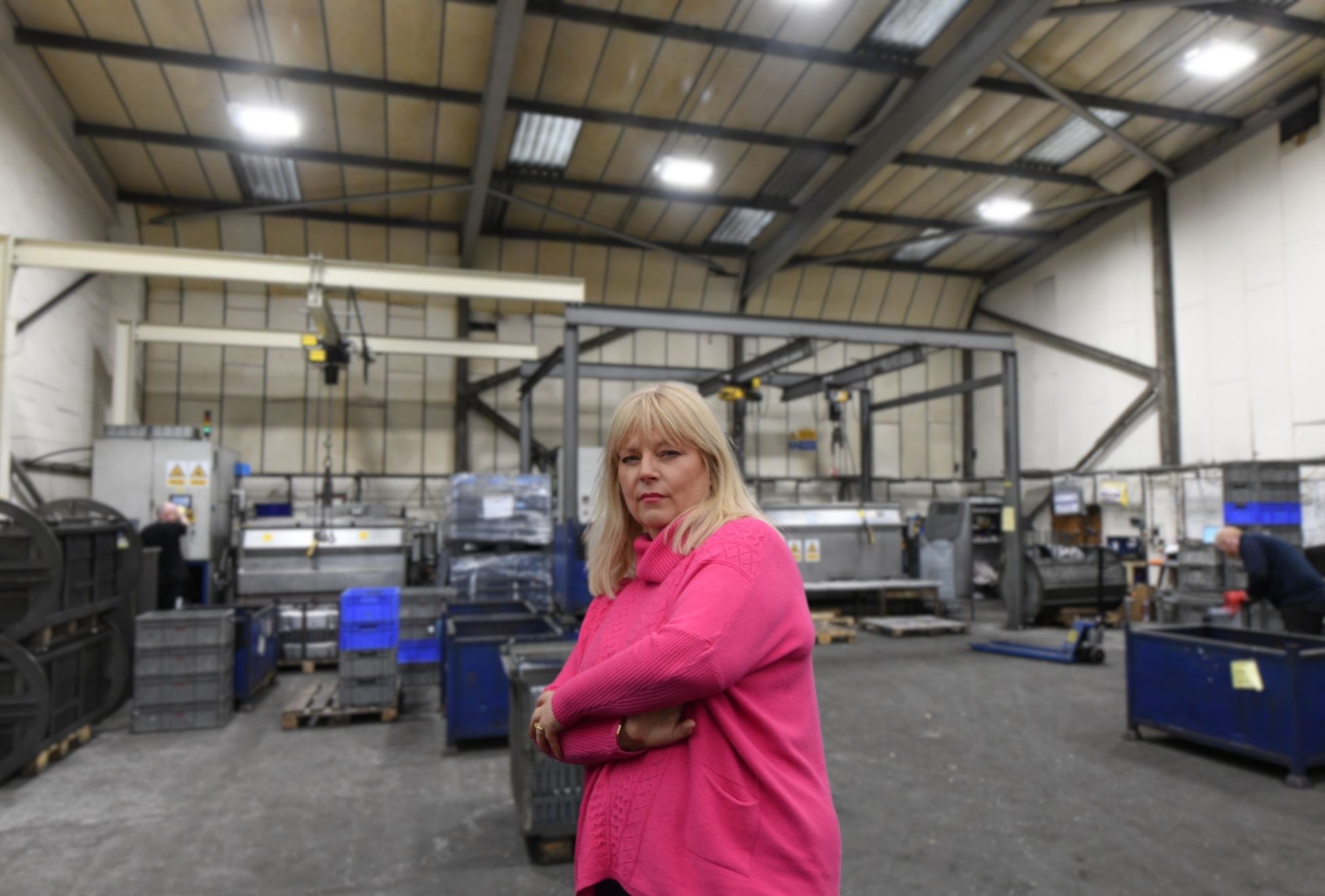
As manufacturers across the UK mark International Women’s Day on 8 March, companies throughout the supply chain are reflecting on the progress made by women in industry — and the work still needed to secure the sector’s long-term skills pipeline.
For firms operating in the heart of the UK’s manufacturing base, the issue is not simply about representation, but about the future resilience of the industry itself.
According to recent sector analysis, women now account for 28.4% of the UK manufacturing workforce. However, the industry is approaching a significant demographic shift, with one in four workers expected to retire within the next decade — around 74% of whom are men.
The result is a major opportunity. To maintain capacity and support future innovation, the sector is expected to recruit around 800,000 additional women by 2035.
At Midland Deburr & Finish, the Lye-based specialist in vibratory deburring, barrel deburring, solvent degreasing and vapour degreasing, leadership believes that attracting more women into manufacturing will be essential to sustaining the UK’s industrial competitiveness.
Sue Arrowsmith, Director at Midland Deburr & Finish, said the conversation around women in manufacturing has moved beyond awareness and toward practical action.
“Manufacturing offers a huge range of skilled, technical and managerial careers, but for many years it simply wasn’t promoted to women in the same way as other professions,” she said.
“What we’re seeing now is a growing recognition that the industry needs a broader talent base if it is going to remain competitive. Diverse teams bring different perspectives, and that ultimately leads to better problem solving and innovation.”
The Midlands manufacturing sector — home to automotive, aerospace and precision engineering supply chains — continues to depend heavily on specialist subcontractors like Midland Deburr & Finish. The company works with pressings manufacturers and component suppliers to deliver automotive component deburring, presswork deburr and degrease services, and precision component finishing.
For Arrowsmith, the changing profile of the workforce is already visible.
“The perception of manufacturing is evolving. Modern engineering businesses rely on technology, process control and quality systems, not just traditional shopfloor roles,” she explained.
“That creates opportunities for women across production, quality management, engineering, logistics and leadership.”
Across the wider industry, progress is being made. Women now hold 24.8% of managerial, director and senior roles in UK manufacturing, a figure that has steadily increased over recent years as businesses invest more in leadership development and inclusive recruitment.
Representation is also improving among women from diverse ethnic backgrounds, rising from 9.6% in 2023 to 13.5% in 2024, with the largest growth seen among women of Indian, Black and other Asian backgrounds.
Despite these gains, industry leaders acknowledge that the sector still faces a significant challenge in changing perceptions among younger generations.
Arrowsmith believes collaboration between businesses, educators and industry groups will be critical.
“If we want to secure the next generation of industrial innovation, we need to show young people — particularly young women — that manufacturing offers long-term, rewarding careers,” she said.
“Days like International Women’s Day are important because they highlight role models and open conversations about the opportunities available.”
For Midland Deburr & Finish, the message is clear: the future of UK manufacturing will depend on attracting and developing talent from across the whole workforce.
“Manufacturing has always been about solving problems and building things that matter,” Arrowsmith added.
“Ensuring women are part of that journey isn’t just about equality — it’s about making the entire industry stronger.”
Quick Contact Form