
Midland Deburr Gears Up As Supply Chain Readies for EV Growth & UK Manufacturing Activity Strengthens
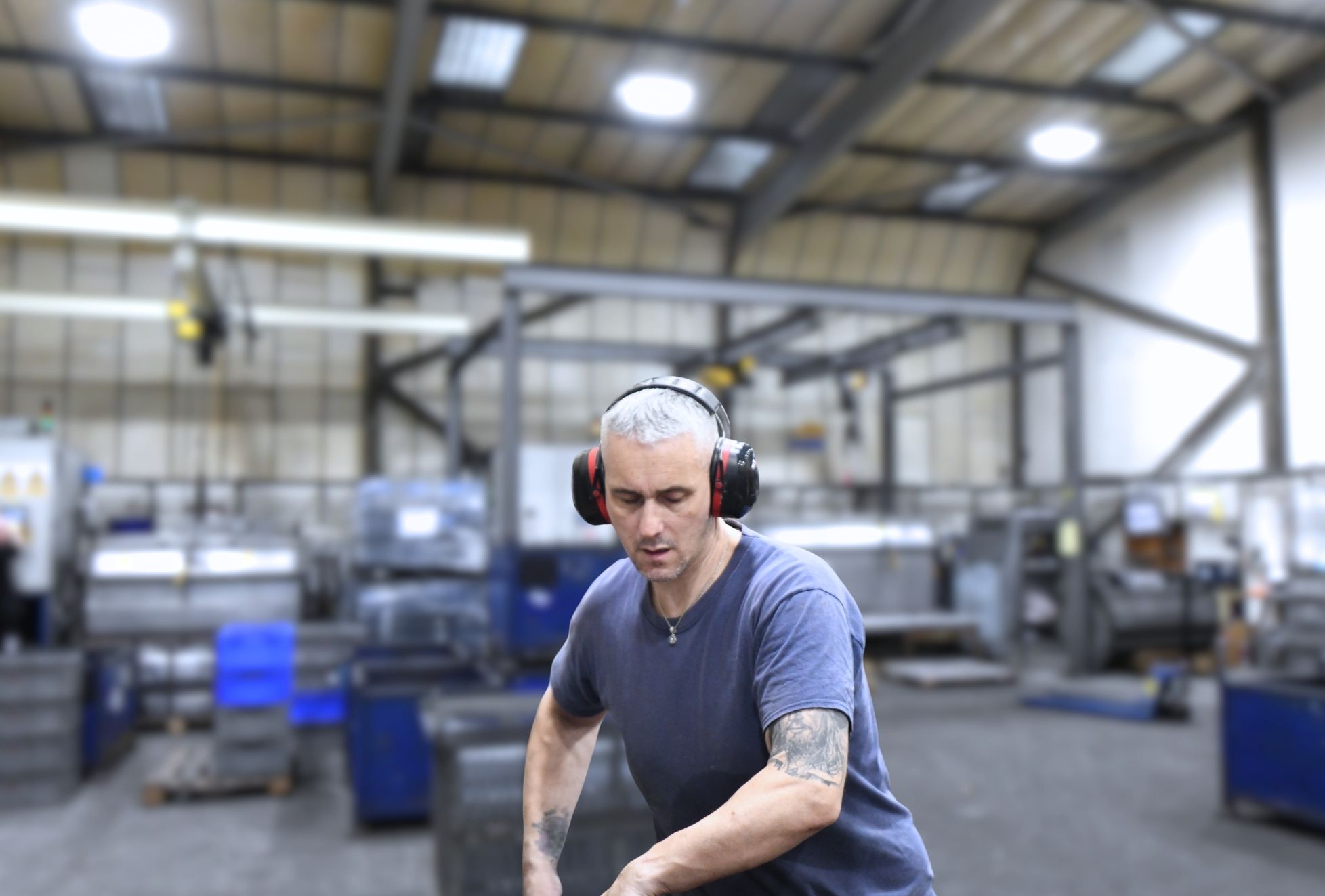
Signs of renewed momentum across the UK manufacturing sector are prompting cautious optimism throughout the supply chain — particularly among companies supporting the growing electric vehicle (EV) component market.
The latest CIPS UK Manufacturing Purchasing Managers’ Index recorded a reading of 51.7 in February, signalling continued expansion in manufacturing activity. Although marginally lower than January’s 51.8, the figure still points to improving conditions across the sector.
According to Mike Thornton, Head of Industrials at RSM UK, the data suggests manufacturing activity is building on the momentum established in 2025.
“Manufacturers continue to build on momentum from last year as production remains strong at 51.7,” he said. “With increased output at 52.5 and a healthy order pipeline, including an increase in new export orders, this upward trend in activity looks set to continue.”
For many suppliers across the UK’s automotive and engineering supply chains, the improving outlook is particularly significant as investment in EV manufacturing accelerates and production programmes ramp up across Europe.
“Electric vehicle manufacturing is driving significant changes in the automotive supply chain,” he explains. “Many of the components being produced for battery systems and vehicle structures rely heavily on precision presswork.”
“For pressings companies, ensuring parts are correctly finished through vibro deburring, barrel deburring, and solvent degreasing is essential before those components can progress through assembly or coating processes.”
Vibratory finishing techniques allow manufacturers to process large batches of stamped parts efficiently while maintaining consistent edge quality — particularly important for safety-critical automotive components.
Thomas Pugh, Chief Economist at RSM UK, warned that tariff volatility and rising energy prices could still threaten the sector’s recovery.
“The downward revision in the PMI from the flash suggests that tariff turmoil in the US dented sentiment in the latter half of February,” he said. “However, the bigger picture is that output is rising at the fastest pace since 2024.”
Pugh added that while employment levels remain under pressure due to rising labour costs, manufacturers are still increasing output — a dynamic that is forcing many companies to improve efficiency within their production processes.
For Arrowsmith, this environment is prompting pressings companies to re-evaluate how finishing processes are managed.
“Manufacturers are under constant pressure to balance rising costs with the need to increase output,” he says.
“Outsourcing component deburring and component degreasing can help pressings companies free up internal capacity while ensuring parts are processed consistently and at scale.”
While geopolitical uncertainty and energy costs remain potential headwinds, the underlying trajectory for UK manufacturing remains positive.
For companies embedded within the automotive and engineering supply chain, the coming years may bring significant opportunity — particularly for those able to support the increasing volumes and quality requirements associated with electrified vehicle production.
As Arrowsmith concludes: “EV manufacturing is creating a new generation of supply chain requirements. Pressings companies that can scale production efficiently will be in a strong position — and specialist finishing services like vibro deburring and solvent degreasing will continue to play a key role in keeping those production lines moving.”
“For pressings companies, ensuring parts are correctly finished through vibro deburring, barrel deburring, and solvent degreasing is essential before those components can progress through assembly or coating processes.”
Vibratory finishing techniques allow manufacturers to process large batches of stamped parts efficiently while maintaining consistent edge quality — particularly important for safety-critical automotive components.
Thomas Pugh, Chief Economist at RSM UK, warned that tariff volatility and rising energy prices could still threaten the sector’s recovery.
“The downward revision in the PMI from the flash suggests that tariff turmoil in the US dented sentiment in the latter half of February,” he said. “However, the bigger picture is that output is rising at the fastest pace since 2024.”
Pugh added that while employment levels remain under pressure due to rising labour costs, manufacturers are still increasing output — a dynamic that is forcing many companies to improve efficiency within their production processes.
For Arrowsmith, this environment is prompting pressings companies to re-evaluate how finishing processes are managed.
“Manufacturers are under constant pressure to balance rising costs with the need to increase output,” he says.
“Outsourcing component deburring and component degreasing can help pressings companies free up internal capacity while ensuring parts are processed consistently and at scale.”
While geopolitical uncertainty and energy costs remain potential headwinds, the underlying trajectory for UK manufacturing remains positive.
For companies embedded within the automotive and engineering supply chain, the coming years may bring significant opportunity — particularly for those able to support the increasing volumes and quality requirements associated with electrified vehicle production.
As Arrowsmith concludes: “EV manufacturing is creating a new generation of supply chain requirements. Pressings companies that can scale production efficiently will be in a strong position — and specialist finishing services like vibro deburring and solvent degreasing will continue to play a key role in keeping those production lines moving.”
Quick Contact Form