
The Hidden Cost of Contamination in Precision Manufacturing
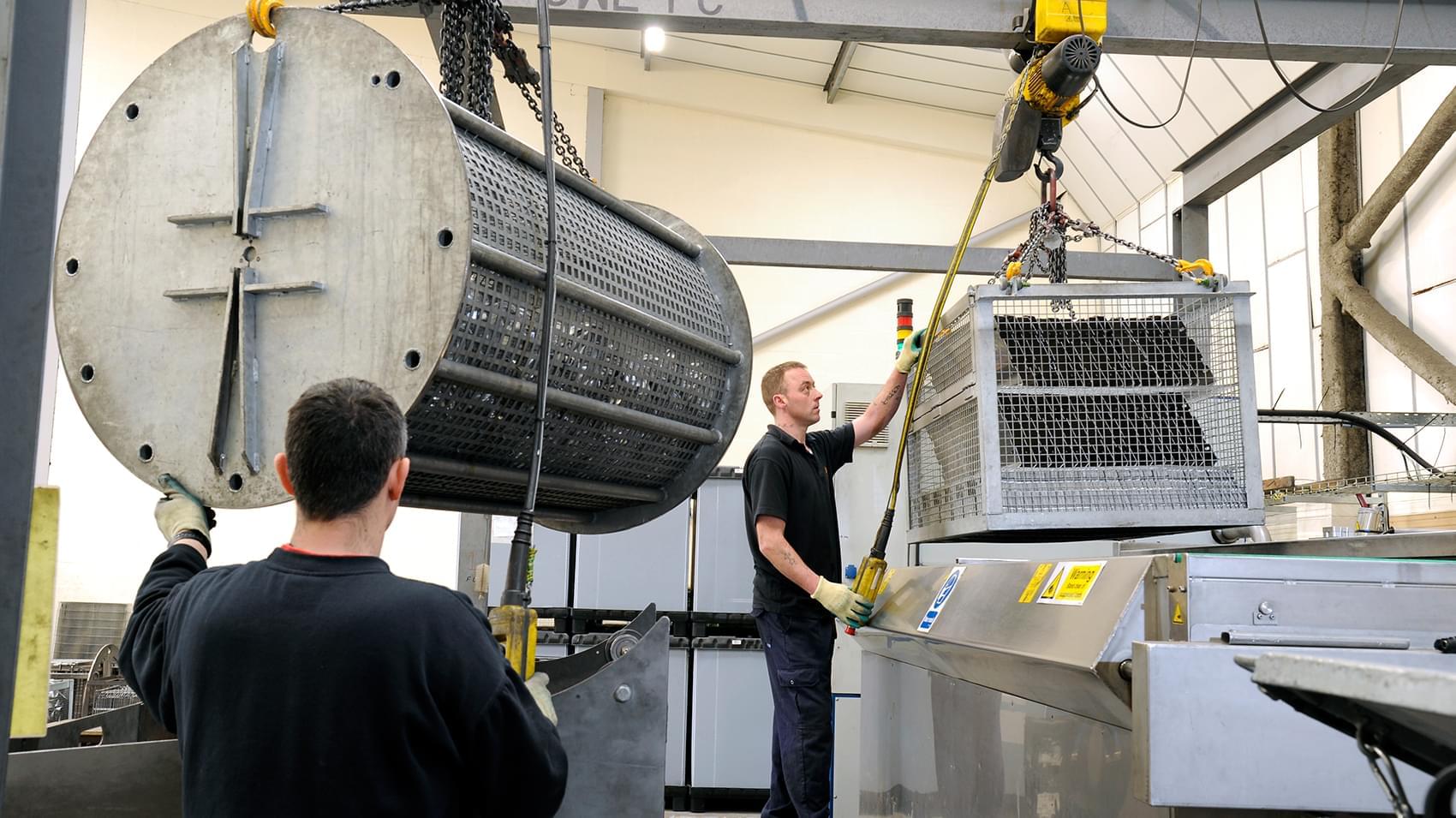
Manufacturers invest millions of pounds each year in advanced machining centres, precision tooling and sophisticated quality control systems. Yet one of the most common causes of production issues often remains almost invisible: contamination left behind during the manufacturing process.
Whether it is machining oils, cutting fluids, swarf, polishing compounds or microscopic particles, contaminants can compromise assembly, reduce coating adhesion and affect the performance of high-value components long after they leave the machine tool.
For Midland Deburr & Finish, the growing emphasis on quality throughout aerospace, automotive, defence, battery manufacturing and precision engineering is placing renewed importance on professional metal degreasing and component cleaning.
Operating from its specialist facility in Lye, the company provides a comprehensive range of metal degreasing, vapour degreasing, vibratory deburring, component cleaning and surface finishing services that help manufacturers prepare parts for assembly, inspection, coating and final delivery.
As manufacturing tolerances become tighter and customers demand greater traceability, surface cleanliness is increasingly becoming a quality requirement rather than simply a finishing process.
Chris Arrowsmith, Managing Director of Midland Deburr & Finish, believes many manufacturers underestimate the influence contamination can have throughout the remainder of the production cycle.
"Every manufacturing process introduces some level of contamination, whether that's cutting oils, residues, fine particles or handling marks. Those contaminants don't simply disappear once machining has finished."
"If components aren't cleaned correctly, they can affect assembly, interfere with inspection, reduce coating performance and even shorten the service life of the finished product. Professional metal degreasing protects the investment manufacturers have already made in producing high-quality components."
The challenge is becoming more significant as manufacturers increasingly work with lightweight alloys, complex geometries and tighter engineering tolerances.
Many modern components move through multiple production stages including machining, deburring, inspection, heat treatment, coating and final assembly. Any contamination introduced at one stage can create problems further down the manufacturing process, leading to unnecessary delays, rework or rejected parts.
This is particularly relevant within aerospace and automotive manufacturing, where every component must meet exacting cleanliness standards before progressing through production.
Midland Deburr & Finish supports customers across these sectors by combining specialist cleaning technologies with decades of experience in component finishing.
Its vapour degreasing processes efficiently remove oils, greases and machining residues from complex components without damaging precision-machined surfaces, while its vibratory deburring systems simultaneously remove burrs, smooth edges and improve overall component consistency.
The combination allows manufacturers to receive parts that are both mechanically finished and thoroughly cleaned, reducing handling between suppliers and improving production efficiency.
Arrowsmith says integrating cleaning with finishing delivers benefits that extend far beyond cosmetic appearance.
"Surface cleanliness directly influences manufacturing performance. Clean components are easier to inspect, easier to assemble and far more reliable when they move into painting, plating, bonding or other secondary processes."
"Our role is to ensure every component leaves us ready for the next stage of manufacture. That helps customers reduce risk, improve consistency and maintain the high quality standards their own customers expect."
As manufacturers continue investing in automation, digital inspection and advanced production technologies, the consistency of every supporting process becomes increasingly important.
Modern coordinate measuring machines, automated inspection equipment and robotic assembly systems all depend upon components arriving free from debris and surface contamination.
By removing residual oils and particulate matter before inspection or assembly, professional component cleaning helps manufacturers achieve more consistent measurement results while reducing the likelihood of contamination-related defects.
The same principles apply across battery manufacturing, medical engineering, defence and precision engineering, where cleanliness standards continue to evolve alongside increasingly sophisticated manufacturing methods.
For Midland Deburr & Finish, this reflects a wider shift in how manufacturers view finishing operations.
Rather than being seen as the final cosmetic stage, metal degreasing, vapour degreasing and vibratory deburring are becoming integrated quality processes that support productivity throughout the manufacturing cycle.
As supply chains place greater emphasis on quality assurance, efficiency and first-time-right production, ensuring components are delivered clean, burr-free and ready for immediate use is becoming an increasingly valuable competitive advantage.
For manufacturers seeking to maximise production efficiency while maintaining the highest quality standards, professional surface finishing is proving to be an essential part of modern precision engineering rather than an optional finishing touch.
Quick Contact Form